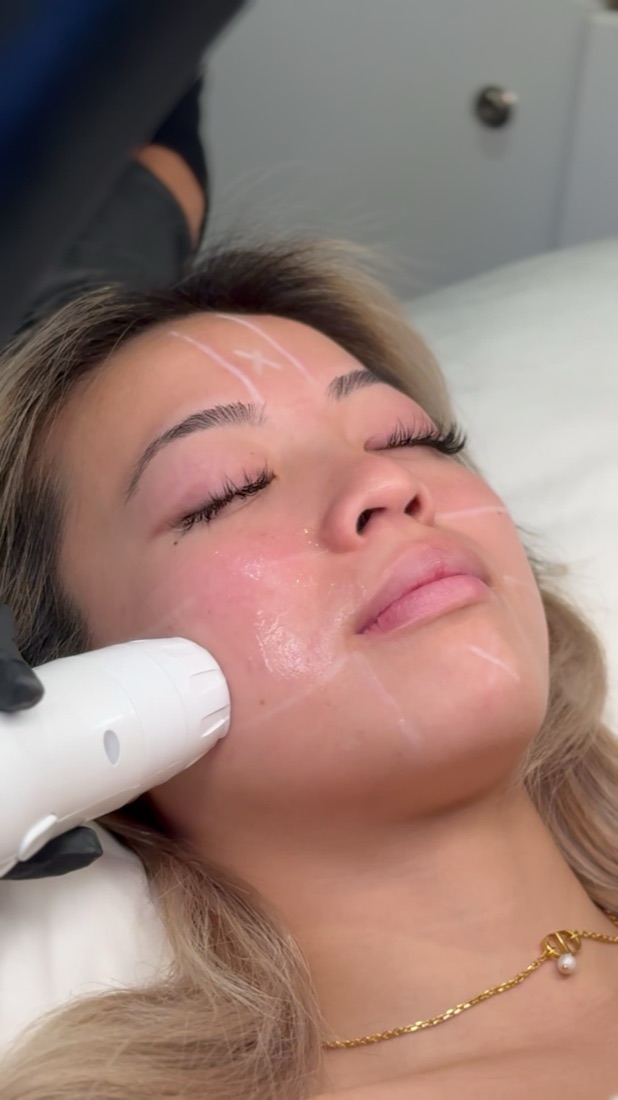
LHA·LA Medical Peels
A medical-grade peel using Lipo-Hydroxy and Lactic Acid to resurface the skin and soften pigmentation, sun spots and uneven texture over a course of sessions.
Tone-safe, barrier-first care for pigmentation, melasma and hyperpigmentation across every Fitzpatrick type, at our Osborne Park and West Leederville clinics.
Fade marks gently — without the risk of making them worse.
Pigmentation, melasma and hyperpigmentation are areas of uneven colour caused by excess melanin. At Skin Avenue we help fade them with gentle, tone-safe treatments such as medical peels, skin needling, LED therapy and glass skin facials, paired with barrier support and daily SPF, chosen for your skin at a personalised assessment.
They look similar on the skin, but they behave differently and respond to different care.
Hyperpigmentation is a broad term for any patch of skin that has produced more melanin than the skin around it, leaving it darker. It can be triggered by sun exposure, hormones, inflammation, ageing or injury. Because the causes differ, the right approach differs too, which is why we start by understanding what is driving your pigmentation before we recommend anything.
Getting the type right matters. A treatment that helps sun spots can aggravate melasma, and an approach that suits fair skin may raise the risk of marks on darker skin. Below are the three patterns we see most often in the clinic.
Flat brown spots and patches from years of sun exposure, often on the face, hands and chest. Also called sun spots or age spots, these tend to respond well to consistent resurfacing and diligent SPF.
Larger, symmetrical patches of brown or grey-brown, usually on the cheeks, forehead and upper lip. Melasma is driven by hormones and sun, is more common in women and in melanin-rich skin, and needs a gentle, patient approach.
Marks left behind after a breakout, injury or an over-aggressive treatment. PIH is more common and more stubborn in darker skin, and calming inflammation is often the first priority before anything else.
We want to be straight with you from the start. Melasma is a chronic, hormone-driven condition. There is no treatment, ours or anyone else's, that can promise to cure it permanently, and it can return with sun, heat or hormonal changes such as pregnancy or the contraceptive pill.
What we can do is help soften and manage it over time with gentle, consistent care, while protecting your skin from the triggers that make it worse. Aggressive treatments often backfire with melasma and can deepen the pigment, so a slow, conservative approach is not a limitation, it is the safer path to a more even tone.

Each option is adjusted for your skin and tone, with an honest suitability note. Explore any treatment in full.
A medical-grade peel using Lipo-Hydroxy and Lactic Acid to resurface the skin and soften pigmentation, sun spots and uneven texture over a course of sessions.
Controlled micro-channels that trigger collagen renewal and skin cell turnover, which can help soften pigmentation, scarring and uneven tone over time.
Clinically calibrated light that calms inflammation and supports skin healing, helping to settle the redness and irritation that can drive post-inflammatory pigmentation.
A gentle, multi-step Korean facial that lightly resurfaces, hydrates and brightens for a clearer, more even and luminous complexion, with no downtime.
Suitability notes are a general guide only and are not a substitute for a personalised assessment. Whether a treatment suits your skin depends on the type and cause of your pigmentation, your skin history and your tone, confirmed in person. Pigmentation can help improve with treatment, but individual results vary and are not guaranteed.
Melanin-rich skin needs a more careful hand, and we treat it that way.
Pigmentation is one of the areas where treating darker skin well really matters. Melanin-rich skin has more active pigment cells, so it is both more prone to pigmentation in the first place and more likely to react to an over-aggressive treatment by producing new marks. That is the difficult irony of pigmentation on darker skin, the wrong treatment can deepen the very problem you came in to fix.
Our answer is a conservative, barrier-first approach. We choose gentler treatments and settings, patch test before reactive treatments such as peels, build intensity slowly, and lean heavily on daily broad-spectrum SPF, which is non-negotiable for anyone managing pigmentation. We will also be honest when a treatment is not the right call for your skin right now, and recommend a gentler first step instead.
No treatment can promise zero risk of pigmentation, and anyone who tells you otherwise is not being straight. What we can offer is careful, tone-aware treatment that lowers the risk while working toward a more even, luminous tone.
Pigmentation, or hyperpigmentation, is any patch of skin that is darker because it has made extra melanin, from sun, ageing, hormones or inflammation. Melasma is a specific, hormone-driven type of pigmentation that appears as larger, symmetrical patches, usually on the cheeks, forehead and upper lip. Melasma tends to be more stubborn and needs a gentler, more patient approach.
No, and we will always be honest about that. Melasma is a chronic condition that can be managed and softened but not permanently cured, and it can return with sun, heat or hormonal changes. Our focus is on gently improving the appearance over time while protecting your skin from the triggers that make it worse.
There is no single best treatment, because it depends on the type and cause of your pigmentation and on your skin tone. As a guide, medical peels and skin needling can help resurface and fade pigmentation, LED calms the inflammation behind PIH, and glass skin facials support brightness gently. Your plan is set at a personalised assessment, never guessed from a template.
It can be, with the right, tone-aware approach. Melanin-rich skin is more prone to both pigmentation and to reacting to aggressive treatment, so we treat conservatively, patch test, build intensity slowly and prioritise SPF. We will also tell you plainly if a gentler first step is the safer choice for your skin right now.
Pigmentation usually fades gradually over a course of treatments rather than after a single session, and melasma in particular needs patience. Consistency with your treatment plan, aftercare and daily SPF makes a real difference. We will set realistic expectations at your assessment. Individual results vary and are not guaranteed.
Yes. For pigmentation and melasma, daily broad-spectrum SPF is the single most important step, and it is non-negotiable. Sun exposure is a major trigger, and without diligent protection even the best treatment results can fade or the pigmentation can return.
Yes. Because pigmentation has different types and causes, we begin every new client with a personalised skin assessment so the treatment we recommend genuinely suits your skin, tone and goals. You can book online or by calling 0402 991 762.
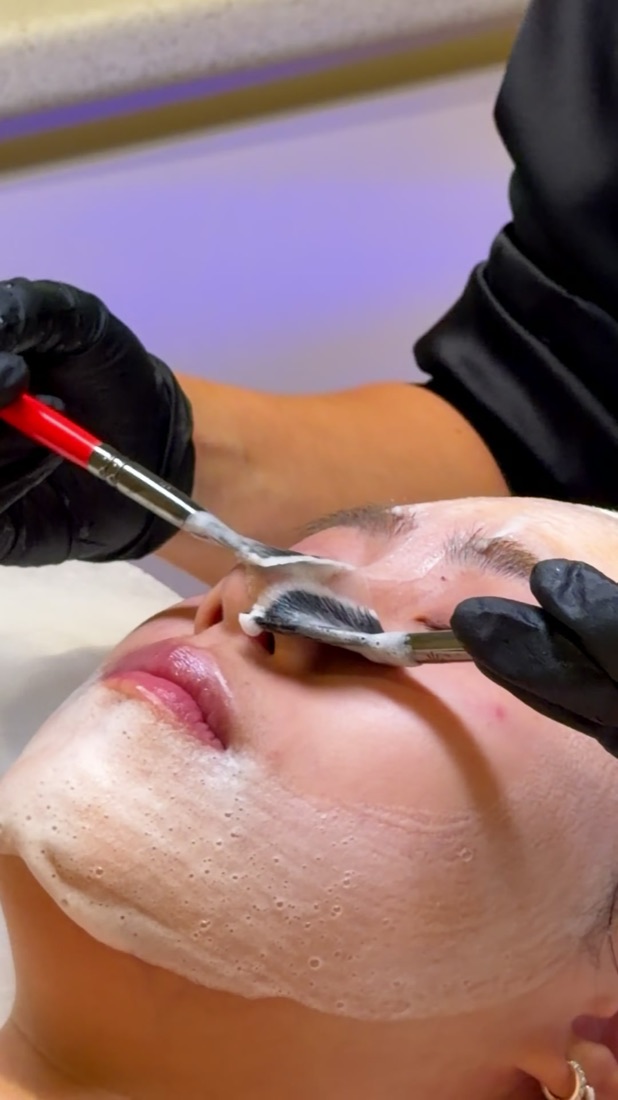
Both offer tone-safe, Korean-method treatments for pigmentation. The 10-step glass skin facial is offered at Osborne Park.
2/221 Main Street, Osborne Park WA 6017
Inside Miracle Skin Clinic
21 Oxford Close, West Leederville WA 6007
Inside Blanks Suites
Book a personalised skin assessment at our Osborne Park or West Leederville clinic and we will build a gentle, tone-safe plan for your pigmentation.