Suitable for
Acne, rosacea, redness & recovery
Clinically calibrated red, blue and near-infrared light to calm acne, rosacea and inflammation while supporting your skin's natural healing.
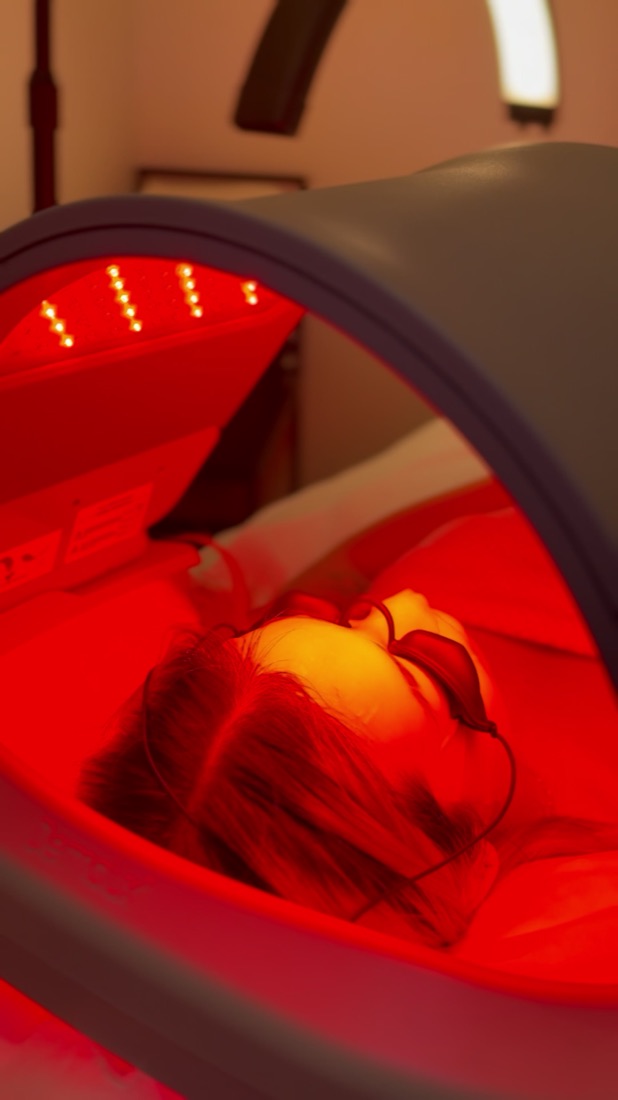
Calmer, clearer, more even skin — without the irritation.
Dermalux LED light therapy uses clinically calibrated red, blue and near-infrared light to calm acne, rosacea and inflammation while supporting the skin's natural healing. It is gentle, pain-free and suitable for every skin tone, and pairs well with needling and peels to speed recovery.
LED light therapy is a non-invasive skin treatment that uses medical-grade light-emitting diodes to deliver specific, calibrated wavelengths of light into the skin. At Skin Avenue we use the Dermalux system, a clinically studied device trusted in skin clinics for calming inflammation, supporting clearer skin and helping the skin recover.
Unlike a peel or a needling treatment, LED does not exfoliate, heat or injure the skin. There is no needle, no abrasion and nothing to recover from. It simply bathes the skin in light that your cells absorb and use, which is why it can be repeated often and layered alongside almost any other treatment. It is one of the most comfortable things you can do for your skin, and for many clients it is the calm, restful part of their visit.
Different colours of light travel to different depths and are absorbed by different parts of the skin. Dermalux delivers three clinically calibrated wavelengths, and your therapist selects the light, or a blend, to suit your skin on the day. The light is absorbed by your skin cells to support their natural function, without heat and without downtime.
Sits at the surface and targets the bacteria involved in breakouts, which is why blue light is favoured for congested, acne-prone skin.
Travels a little deeper to calm inflammation and redness and to support the fibroblasts that produce collagen for firmer, healthier skin.
Reaches the deepest of the three to help settle inflammation and support the skin's repair processes after other treatments.
In practice, blue light is often chosen for active breakouts, red light for redness and general skin health, and near-infrared to support recovery. Many sessions use a combination, because the concerns we treat rarely sit in one layer alone. This is designed to support the skin rather than force a rapid change, so LED works best as a consistent course rather than a one-off.
LED is one of the most versatile treatments we offer, used both on its own and to finish other treatments. It may help with:
LED can support the skin but is not a substitute for medical treatment of acne, rosacea or any diagnosed skin condition. We will always work alongside your GP or dermatologist where one is involved. Individual results vary and are not guaranteed.
An LED session is quiet and comfortable from beginning to end. Here is how a typical visit runs.
We begin every new client with a personalised skin assessment. We look at your concern, your skin and your Fitzpatrick tone, then decide which light or blend of lights suits you and how a course might be structured.
Your skin is cleansed so the light can reach it clearly. LED is often added after a facial, peel or needling treatment, in which case it follows straight on in the same visit.
You relax under the Dermalux panel with protective eyewear on for around 20 to 30 minutes. There is no heat and nothing to feel beyond gentle warmth, so most clients simply rest.
There is no downtime and no redness to hide, so you can reapply makeup and carry on. We will guide any simple aftercare and set the cadence for your next sessions.
LED light therapy suits most people, which is part of why it is so widely used. It is a strong option if you have acne, rosacea, redness or general inflammation, if your skin is too sensitive or reactive for more active treatments, or if you want to support recovery and results after needling or a peel.
Because LED uses light rather than heat, acids or abrasion, and because it does not target the pigment in your skin, it is considered among the safest treatments for melanin-rich skin, with a very low risk of the post-inflammatory pigmentation that harsher treatments can trigger. We still assess every skin individually and never promise a specific outcome.
Let us know at your assessment if you are pregnant or breastfeeding, if you take medication that increases light sensitivity such as isotretinoin (Roaccutane) or certain antibiotics, if you have a history of light-triggered conditions, or if you have an active skin infection in the area. We will discuss any of these with you and adjust or postpone your treatment where needed. Protective eyewear is provided for every session.
LED is effective as a standalone course and even better as a finishing step. Here is an honest comparison of the three most common ways clients use it at Skin Avenue.
| LED alone | LED + HydraFacial | LED + Skin Needling | |
|---|---|---|---|
| Best for | Acne, rosacea, redness and general skin calming as a regular course | Congestion and dullness plus a hydrated, calmed, luminous finish | Acne scarring, texture and pigmentation, with faster, calmer recovery |
| What it adds | Calms inflammation and targets breakout bacteria over time | Deep cleanse, exfoliation and hydration, then light to settle the skin | Collagen renewal from micro-channels, then light to soothe and support repair |
| Comfort | Pain-free and relaxing | Comfortable throughout | Mild during needling, with LED helping the skin settle afterwards |
| Downtime | None | None | Usually a day or two of pinkness, often eased by the LED step |
| Typical cadence | Often 1 to 2 sessions a week, then tapering | Every few weeks as a maintenance glow | Spaced needling sessions, LED added each time |
| Price | Enquire | Enquire | Enquire |
The right combination depends on your skin and your goals, which we map out together at your assessment. Learn more about the Signature HydraFacial and Dermapen 4 skin needling.
LED light therapy is priced per session, and it is often added to another treatment as a calming, recovery-supporting finish rather than booked on its own. Pricing and package options are confirmed at your assessment so your plan fits your skin and your budget.
A standalone 20 to 30 minute session. Course pricing available for regular treatment.
Book NowAdd LED to a HydraFacial, peel or needling session to calm the skin and support recovery.
Call to planFinal prices are confirmed with the clinic and are not shown here until published, so you always get an accurate quote rather than a guess.
A selection of client results across skin types and tones. LED works gradually and as part of a plan, so results build with consistency.
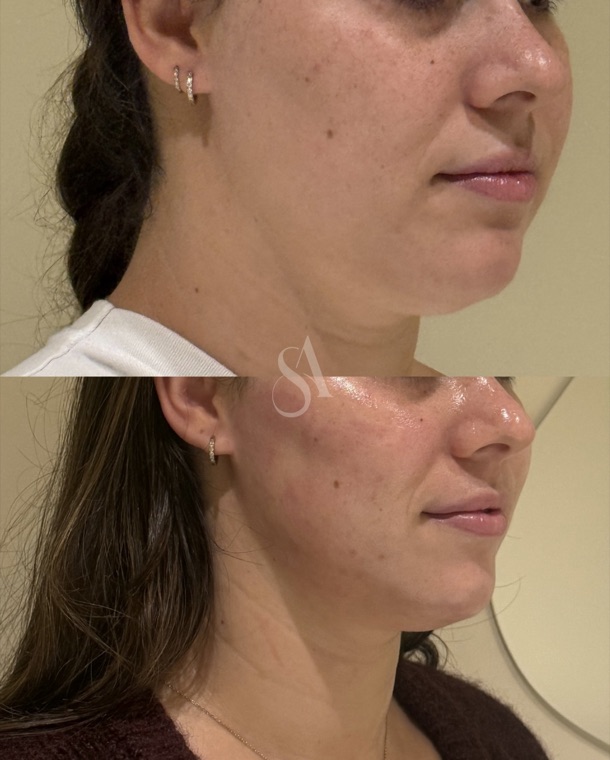
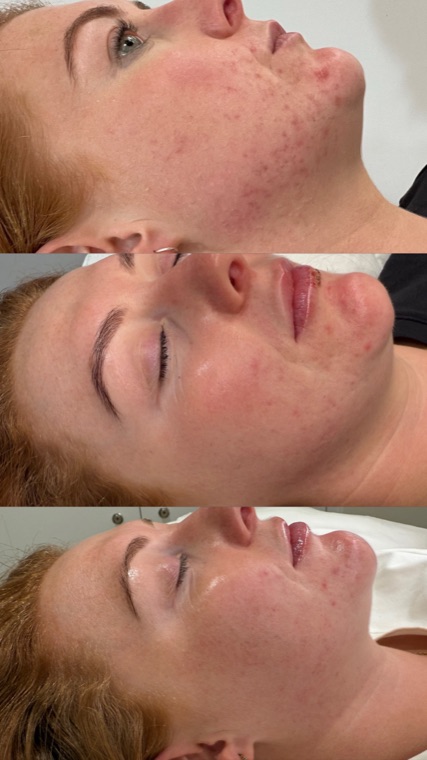
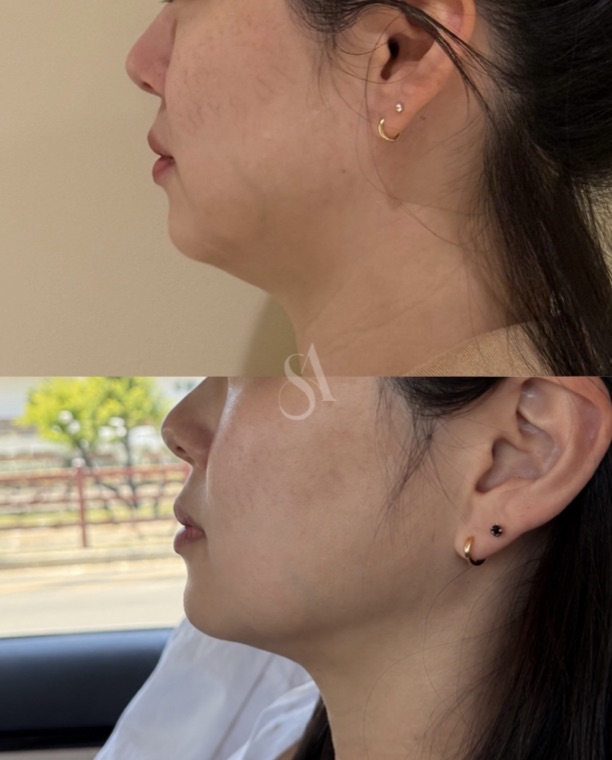
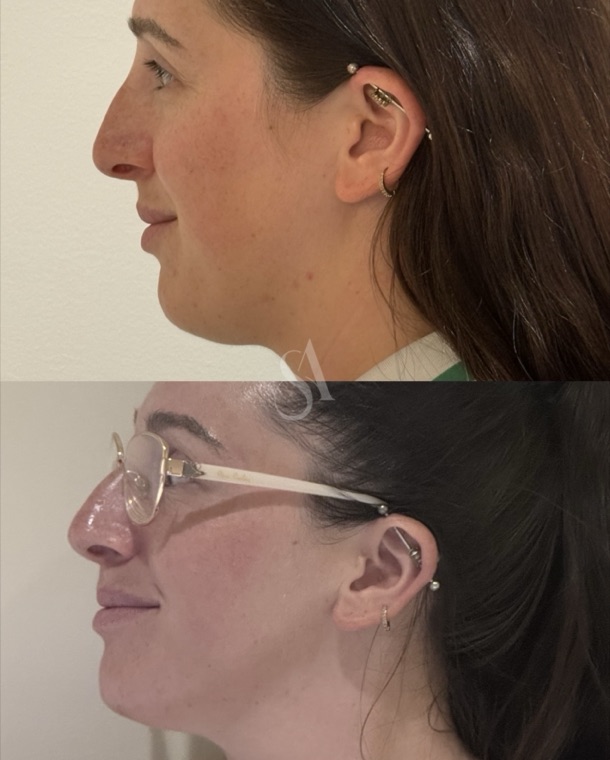
Client before-and-after images. Publication consent to be confirmed with each client before go-live. Individual results vary between individuals and are not guaranteed.
Dermalux LED therapy is used to calm active acne, soothe rosacea and redness, settle inflammation and support healing after other treatments. Different wavelengths target different concerns, which is why your therapist tailors the light to your skin.
LED therapy is a well-established support for acne and rosacea. Blue light targets breakout-related bacteria while red light calms inflammation and redness. It works best as part of a consistent plan and alongside other treatments where appropriate.
Our Dermalux system delivers three clinically calibrated wavelengths: blue at around 415 nanometres for breakout bacteria, red at around 633 nanometres to calm inflammation and support collagen, and near-infrared at around 830 nanometres to reach deeper and aid recovery. Your therapist selects the right light or blend for your skin.
LED therapy is most effective as a course of regular sessions, often once or twice a week to begin with, then tapering as your skin improves. Your therapist recommends a schedule based on your concern and goals at your assessment.
Yes. LED therapy pairs well with facials, skin needling and peels, where it helps calm the skin and support recovery. Many clients add it to another treatment in the same visit for a more comfortable result.
No. LED light therapy is pain-free and has no downtime, so you can return to your day straight away. It is one of the gentlest treatments we offer and is suitable for sensitive and melanin-rich skin.
Yes. Because LED uses light rather than heat, acids or abrasion, and does not target the pigment in your skin, it is considered among the safest treatments for every Fitzpatrick type, with a very low risk of post-inflammatory pigmentation. We still assess your skin individually every time.
Relaxing. You rest under the Dermalux panel with protective eyewear for around 20 to 30 minutes. There is no heat beyond a gentle warmth and nothing sharp or abrasive, so most clients find it a calm, restful part of their visit.
LED suits most people, but let us know if you are pregnant or breastfeeding, take medication that increases light sensitivity such as isotretinoin or some antibiotics, have a light-triggered condition, or have an active skin infection in the area. We will discuss it at your assessment and adjust or postpone where needed.
LED light therapy is available at both clinics. Book online in under a minute or call 0402 991 762.
2/221 Main Street, Osborne Park WA 6017
Inside Miracle Skin Clinic
21 Oxford Close, West Leederville WA 6007
Inside Blanks Suites
LED sits at the heart of our Korean, barrier-first approach. Rather than reaching for the harshest option, we calm and strengthen the skin first, then layer in the targeted treatments your concerns need. Every plan is personalised, every protocol is chosen for your tone, and every outcome we describe is honest and realistic.
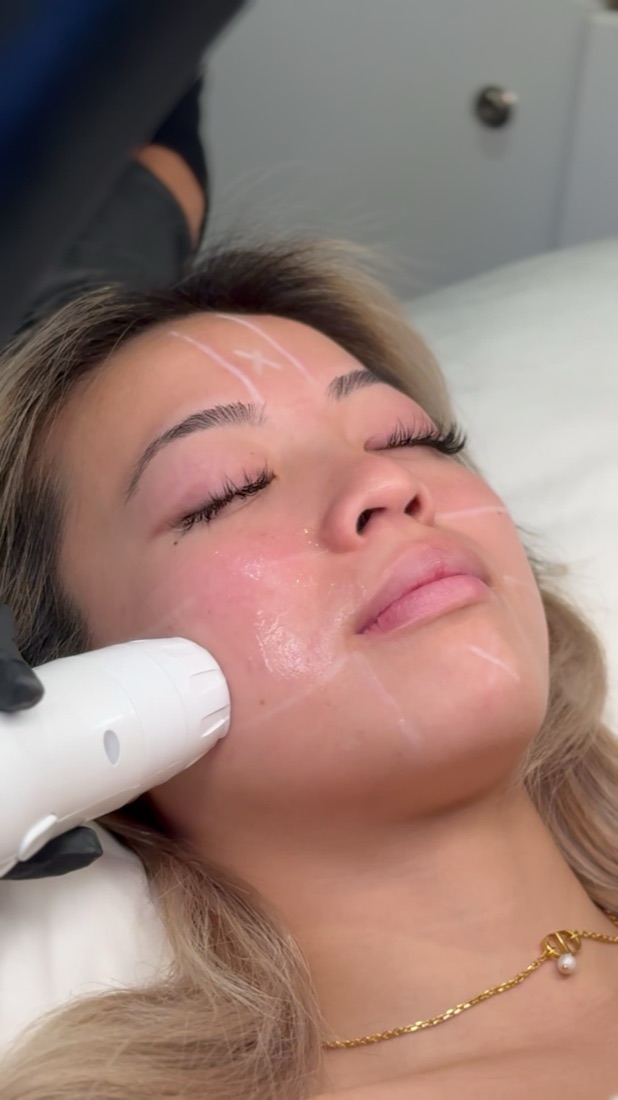
LED is a natural finishing step. These treatments work beautifully alongside it.
A four-step cleanse, exfoliate, extract and hydrate facial, finished with LED to calm and set the glow.
Learn more →Collagen-renewing micro-channels for scarring, texture and pigmentation, with LED to support recovery.
Learn more →A multi-step Korean facial for smooth, clear, dewy skin, often paired with LED for a calm finish.
Learn more →Book LED light therapy or a personalised skin assessment at our Osborne Park or West Leederville clinic.