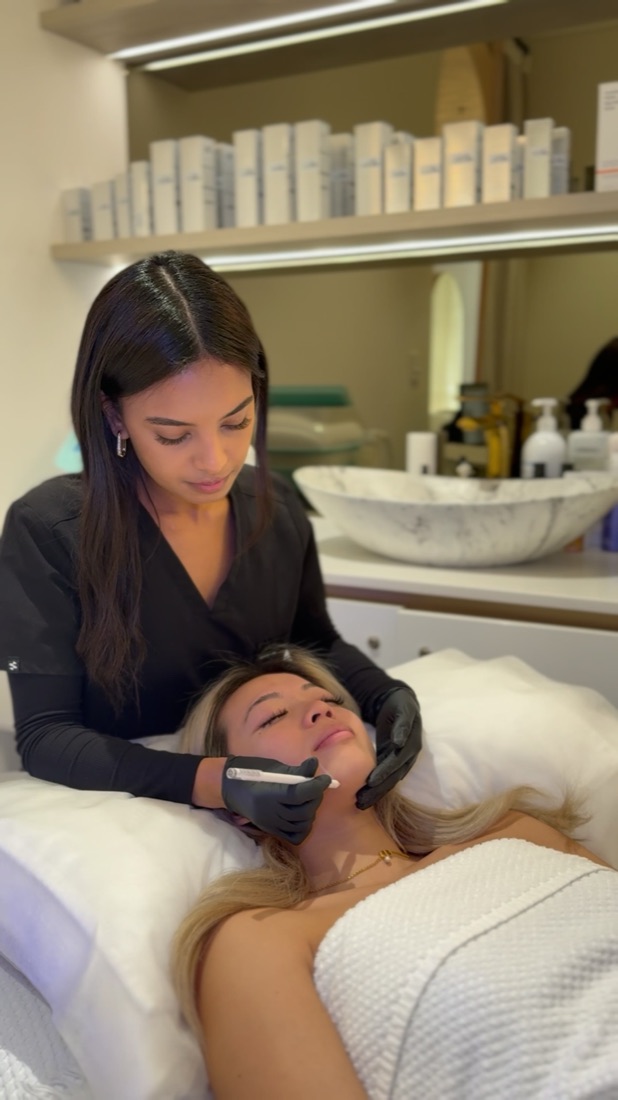
Korean Glass Skin Facial
A gentle, multi-step Korean facial that hydrates, lightly resurfaces and brightens for a clear, dewy finish.
Tone-safe, barrier-first skincare for darker and melanin-rich skin in Perth, chosen and adjusted for your Fitzpatrick type.
Real results, chosen for your skin — not a one-size template.
Many skin treatments were developed and tested largely on lighter skin, so they can carry a higher risk of pigmentation and irritation on darker, melanin-rich skin. At Skin Avenue we choose gentle, tone-safe protocols and adjust every treatment to your Fitzpatrick type, from fair to deeply melanin-rich, so you can pursue real results with lower risk.
Understanding the risk is the first step to treating melanin-rich skin well.
For decades, a lot of skin technology, peel formulations and treatment settings were researched, marketed and dialled in on lighter skin. That history still shows up in the clinic today. A device setting or acid strength that is routine for fair skin can be too aggressive for skin with more melanin, and the consequences are not just redness. They can be lasting marks.
Melanin is protective and beautiful, but it also means the skin responds differently to heat, injury and inflammation. When melanin-rich skin is over-treated, the pigment-producing cells can react by making too much colour, or sometimes too little, in the treated area. That is why a treatment plan copied straight from a lighter-skin protocol can leave darker skin worse off than before.
The answer is not to avoid treatment. It is to treat with knowledge. That means the right treatment choice, a conservative starting intensity, patch testing, barrier support and diligent sun protection, all matched to your individual skin. This is the standard we hold at Skin Avenue, and it is why we assess your tone before we recommend anything.
A widely used way to describe how skin responds to sun and to treatment, from type I to type VI.
The Fitzpatrick scale is a classification of six skin types based on how your skin typically reacts to sun exposure, from very fair skin that always burns to deeply pigmented skin that rarely burns. It is a practical starting point, not a full picture of your skin, but it helps us gauge how carefully a treatment needs to be adjusted and where the risk of post-inflammatory pigmentation is higher.
| Type | Typical skin | Response to sun | Treatment consideration |
|---|---|---|---|
| Type I | Very fair, often with freckles | Always burns, never tans | Lower pigmentation risk, higher sun-sensitivity to manage |
| Type II | Fair | Burns easily, tans minimally | Lower pigmentation risk, tolerates most protocols with care |
| Type III | Light to medium | Sometimes burns, gradually tans | Moderate risk, protocols eased and monitored |
| Type IV | Olive to light brown | Rarely burns, tans easily | Higher PIH risk, conservative settings and patch testing |
| Type V | Brown, melanin-rich | Very rarely burns, tans deeply | Higher PIH risk, gentle formulations, gradual approach |
| Type VI | Deeply pigmented, dark brown to black | Almost never burns | Highest PIH risk, most conservative protocols and sun protection |
Your Fitzpatrick type guides our care, it does not limit it. We treat every type at both clinics, and we adjust intensity and treatment choice for your skin on the day. Individual results vary and are not guaranteed.
The single most important thing to understand about treating darker skin.
Post-inflammatory hyperpigmentation, or PIH, is a darkening of the skin that can follow inflammation or injury. A breakout, a scratch, an ingrown hair or an over-aggressive treatment can all trigger it. As the skin heals, the pigment cells can leave behind a flat brown, grey or sometimes reddish mark where the inflammation was.
PIH is more common and often more stubborn in melanin-rich skin, because there is simply more pigment ready to respond. It is usually not dangerous, but it can take months to fade on its own, and the wrong treatment can deepen it rather than clear it. This is exactly why a clinic that understands darker skin will treat conservatively and prioritise calming inflammation, not just chasing a fast result.
We will always be honest with you about this. No treatment can promise zero risk of pigmentation, and anyone who tells you otherwise is not being straight. What we can do is lower the risk through careful treatment selection, gentle intensity, patch testing and barrier and sun-protection support, and we will tell you plainly if a treatment is not the right call for your skin right now.
Every plan for darker skin at Skin Avenue is built on the same principles, whether you are here for glow, texture or firming. We would rather build results gradually than risk a mark that takes months to fade.

Each one is adjusted for your Fitzpatrick type, with an honest suitability note. Explore any treatment in full.
A gentle, multi-step Korean facial that hydrates, lightly resurfaces and brightens for a clear, dewy finish.
A cleanse, exfoliate, extract and hydrate facial that clears congestion and delivers an instant, calm glow.
Clinically calibrated red, blue and near-infrared light that calms acne, redness and inflammation.
A medical-grade peel using Lipo-Hydroxy and Lactic Acid to soften pigmentation, congestion and uneven texture.
Controlled micro-channels that trigger collagen renewal to soften scars, fine lines, pores and pigmentation.
Focused ultrasound that stimulates collagen deeper in the skin to lift and firm the jawline and jowls.
Suitability notes are a general guide only and are not a substitute for a personalised assessment. Whether a treatment suits your skin depends on your individual skin, history and goals, confirmed in person. Individual results vary and are not guaranteed.

Skin Avenue was built on a simple belief, that great skincare should work for every skin tone. We combine the Korean barrier-first method with medical-grade technology, and we assess your tone before we recommend anything.
That means tone-inclusive expertise across all Fitzpatrick types, a personalised skin assessment before any treatment, and outcomes we describe honestly. If darker skin has been an afterthought at clinics before, it is the starting point here.
More about Skin Avenue →Melanin-rich skin has more active pigment cells, which can respond to heat, injury or inflammation by producing extra colour. That means treatments designed for lighter skin can carry a higher risk of pigmentation if they are not adjusted. We choose tone-appropriate treatments and gentler settings so your skin can respond well.
PIH is a darkening of the skin that can follow inflammation or injury, such as a breakout or an over-aggressive treatment. It is usually harmless but can take months to fade, and it is more common in darker skin. Reducing the risk of PIH is central to how we plan every treatment for melanin-rich skin.
Certain peels can suit darker skin when they are the right formulation, at a conservative strength, and applied by an experienced therapist after patch testing. Stronger or poorly matched peels raise the risk of pigmentation. At your assessment we will advise whether a peel suits your skin now, or whether a gentler option is a better first step.
Skin needling can be suitable for darker skin when performed conservatively, with adjusted depth and frequency and close monitoring. Because it creates controlled micro-injury, an experienced, tone-aware approach matters. We ease intensity for higher Fitzpatrick types and watch your skin closely between sessions.
HIFU works on deeper layers of the skin rather than surface pigment, so it is generally considered tone-safe across skin types. As with any treatment, suitability depends on your individual skin and is confirmed at your in-person assessment. We will always be honest if it is not the right choice for you.
Yes, LED therapy is one of the gentlest, most tone-safe treatments we offer. It uses calibrated light rather than heat injury, so it does not target pigment, and it can actually help calm the inflammation that drives PIH. It suits every Fitzpatrick type from I to VI.
Yes. For reactive treatments such as peels, we patch test before proceeding so we can see how your skin responds before treating a full area. It is a simple, important safeguard, especially for melanin-rich skin, and part of our conservative, barrier-first approach.
There is no single answer, because pigmentation has different causes and your skin is individual. As a guide, we often begin gently with LED, hydration and barrier support to calm the skin, then consider conservative peels or needling if suitable. Your plan is set at a personalised assessment, never guessed from a template.
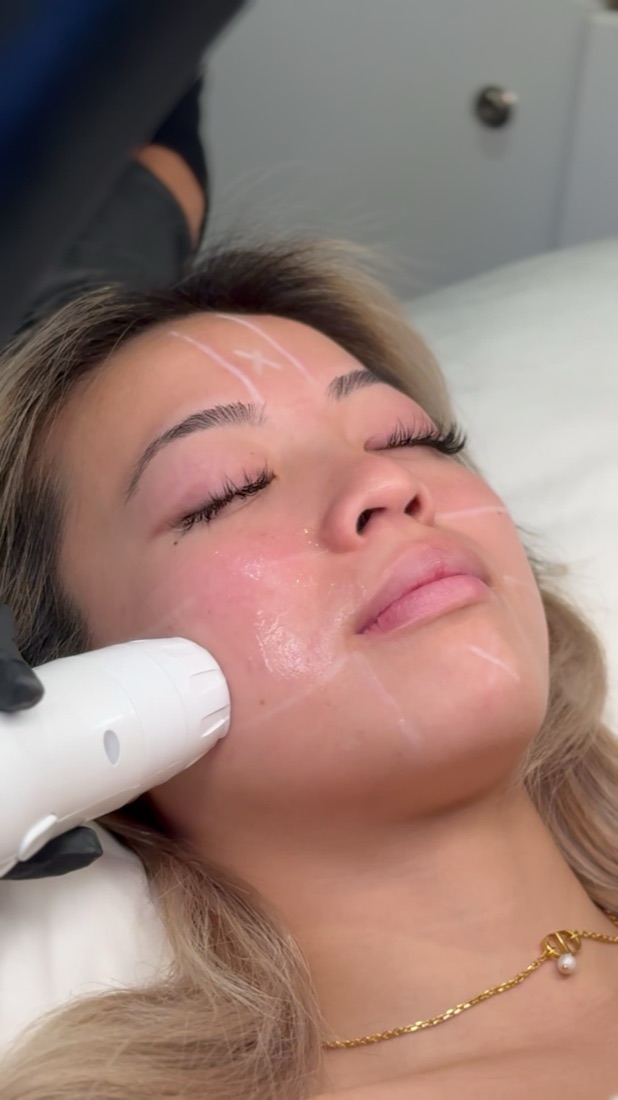
Both offer tone-safe, Korean-method treatments for every skin tone. The 10-step glass skin facial is offered at Osborne Park.
2/221 Main Street, Osborne Park WA 6017
Inside Miracle Skin Clinic
21 Oxford Close, West Leederville WA 6007
Inside Blanks Suites
Book a personalised skin assessment at our Osborne Park or West Leederville clinic and we will build a tone-safe plan for your skin.